
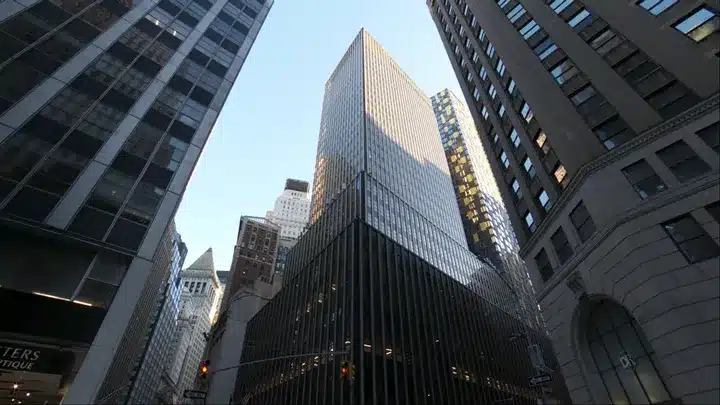
It’s been a rollercoaster ride in the world of real estate, and it seems like the dip isn’t over. Today, let’s talk about the storm brewing in the commercial real estate market and why I’m seeing dark clouds on the horizon.
When COVID-19 hit, telework seemed like a temporary solution to keep the workforce going. Little did we know it would reshape the landscape of commercial real estate. According to research from The Conference Board, less than 30% of companies are eager to bring their employees back to the office. Julie Whelan from CBRE Global Commercial Real Estate Services warns that we’re in for troubled times.
“Office vacancies in the U.S. are currently at about 18.4%, a historical high compared to 12% before the pandemic in 2019,” says Whelan. The culprit? The shift to remote work, a change that is reshaping downtowns and causing a ripple effect in the commercial real estate space.
Michael Dalton of The U.S. Bureau of Labor Statistics reveals that over half of companies in finance, insurance, educational services, and management have embraced telework. As a result, the value of commercial buildings is predicted to plummet by 40% from 2019 to 2029, as forecasted by the University College London.
“With falling rent, higher interest rates, and lower occupancy in the market, the values of buildings will continue to fall through the end of next year,” adds Whelan. It’s a gloomy outlook that’s already setting records, with offices around America hitting a new vacancy record.
The epicenter of this crisis? Downtown districts in large cities, where commercial building vacancies are creating financial hardships for surrounding businesses. Dalton explains, “It’s a first-order effect: employers in certain industries are moving towards more remote work, and secondly, the businesses relying on in-person work are negatively impacted.”
As the value of commercial buildings drops, owners pay lower property taxes, resulting in less money for the communities they inhabit. The shift in our work culture has forced commercial real estate developers to get creative, turning empty spaces into mixed-use buildings, incorporating offices, residences, or hotels.
It’s a new norm, a reality we’re stuck with unless we decide to turn back the clock and return to the office. As an investor, it’s crucial to adapt to these changes and find opportunities amidst the challenges. The commercial real estate market might be facing a storm, but every storm eventually clears, revealing new possibilities for those ready to navigate the shifting tides. Stay vigilant, my fellow investors.